
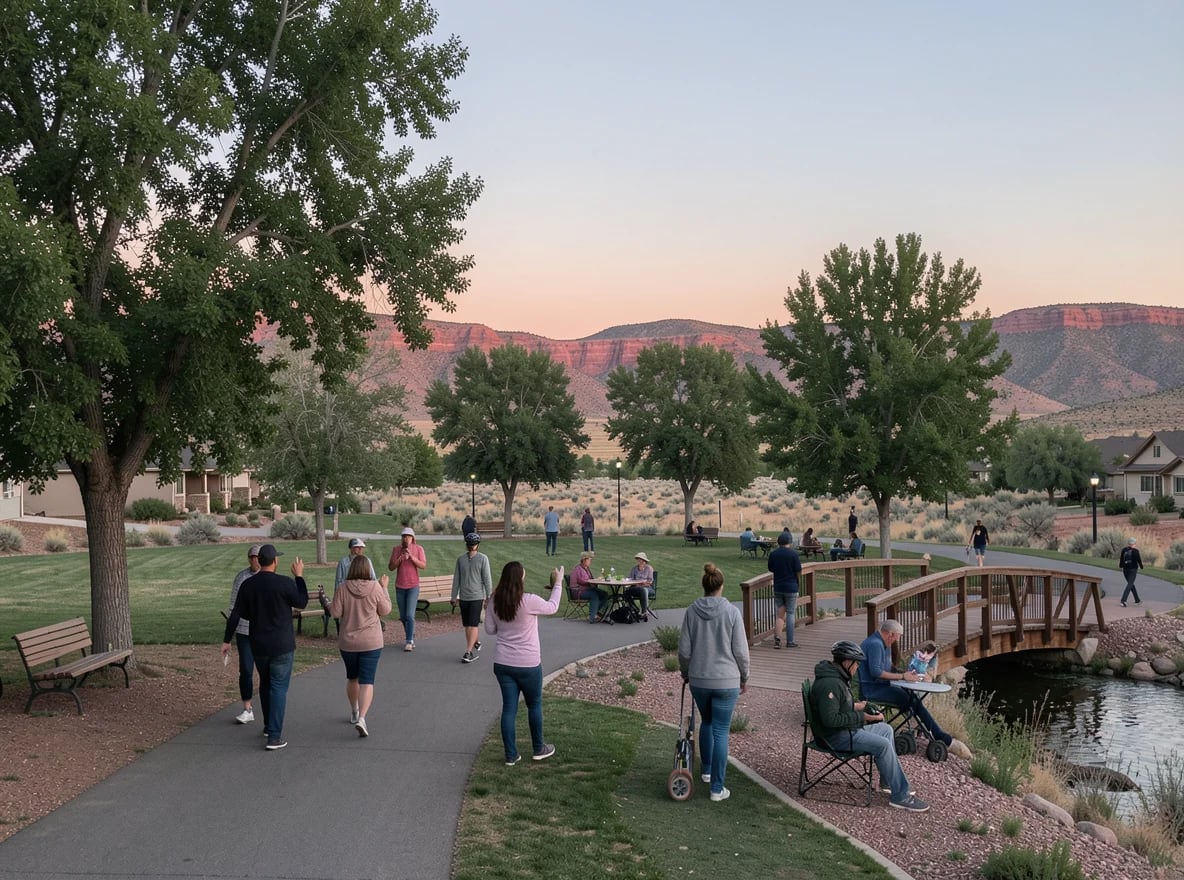
A St. George home search can start with more than a floor plan. Compare neighborhoods by the recreation you enjoy, the shade you’ll use, the drives you make, and the work a desert property may need. These six steps can help turn a long list of possibilities into a search that fits your daily routine.
1. Map the recreation you’ll actually use
Southern Utah’s red-rock scenery is part of the appeal, but access can mean different things from one address to another. Start by listing the activities you expect to enjoy regularly, then map the routes from each prospective home. A trailhead that looks close on a listing map may involve a longer drive than expected, while a neighborhood path might be useful every day.

For a broader outing, consider the drive to Snow Canyon State Park and its trails and sandstone scenery. Closer to home, look for paved paths, parks, and outdoor spaces that suit your preferred pace. Visit at the time you would normally go: morning shade, parking availability, and trail conditions may matter more than a short distance on paper.
Ask whether a path connects to the places you want to reach or is primarily a loop within the neighborhood. If you’re considering a property remotely, request a video tour of the approach as well as the home itself. That extra context can reveal road crossings, elevation changes, and other details that are easy to miss in photos.
2. Compare golf and pickleball access
If a round of golf or a game of pickleball is on your weekly calendar, compare the facilities you would use before narrowing your search. St. George has golf courses and recreation facilities, but proximity alone doesn’t tell you whether a particular option will work for your schedule or budget.
Check current public access, reservation procedures, fees, and hours directly with each facility. Some residential communities also have private amenities; availability, guest rules, membership requirements, and costs can vary. Confirm whether a home’s association grants access or whether a separate membership is required.
A nearby course or court is only part of the equation. Verify access and recurring costs before treating an amenity as a benefit of a particular home.
Think about how you will get there, too. An easy drive, parking, and the ability to reserve a preferred time may matter as much as the number of facilities on a map. If you’re comparing multiple homes, use the same questions for each one so the trade-offs are clear.
3. Put reservoir days on the map
Water recreation offers another way to experience the region. Sand Hollow State Park, east of St. George, is one option for a day near the water. If boating, paddling, or simply spending time along the shore is important to you, compare the actual drive from each home you’re considering.
Account for the practical details as well as the distance. Where would you store equipment? Does the property have suitable garage space, and do association rules permit outdoor storage of a boat or trailer? If not, investigate alternatives and their costs before making an offer.
Seasonal conditions, water levels, entry fees, and access rules can change, so check current park information when planning a visit. The best location for frequent trips may not be the same as the best location for occasional outings; decide how often you realistically expect to make the drive.
4. Look closely at shade and outdoor comfort
In a sunny desert climate, the usable outdoor space around a home deserves as much attention as the interior. Look beyond the size of a patio or yard to see where shade falls throughout the day. A covered area, mature tree, or thoughtfully positioned wall can make a noticeable difference in how you use the space.
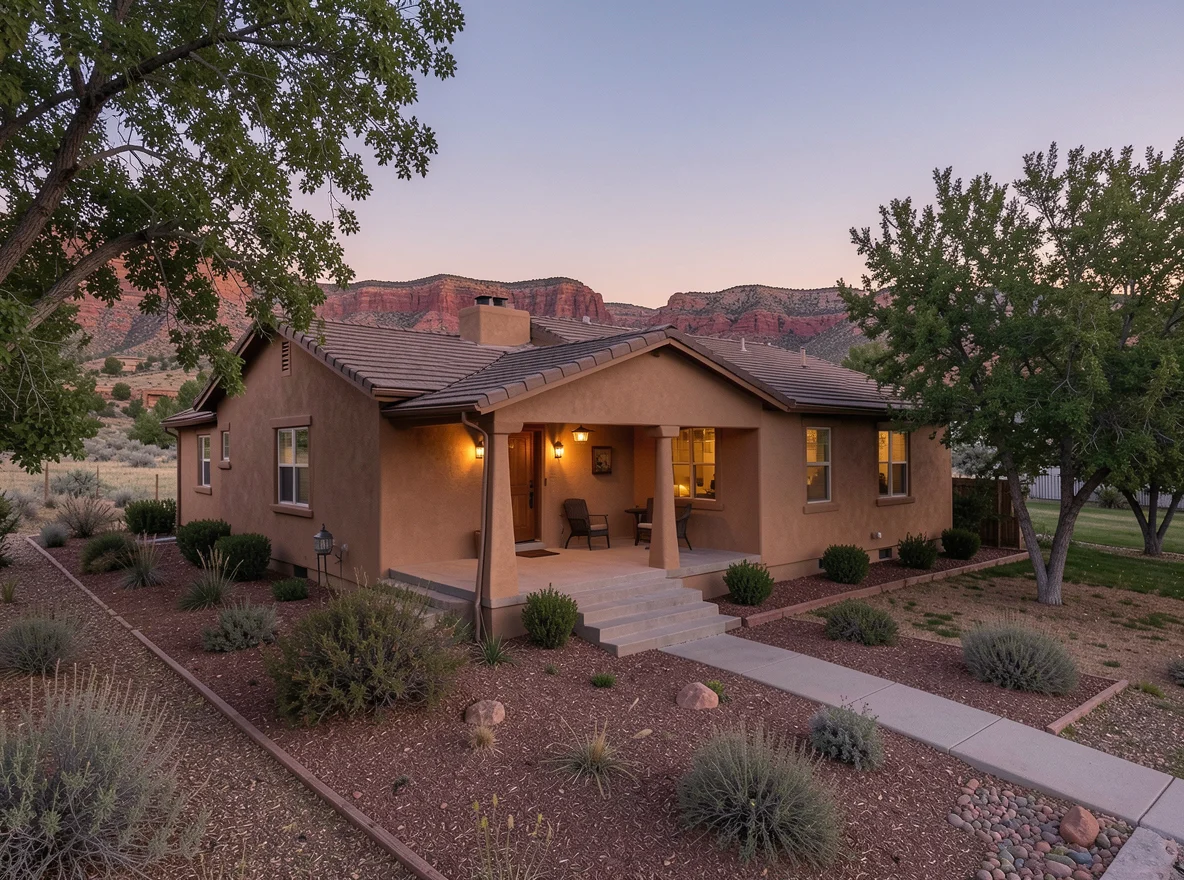
Visit at more than one time of day if possible, or ask for photos taken in the morning and late afternoon. Consider the orientation of windows, outdoor seating, and the garage, along with the condition of awnings or patio covers. Remember that shade patterns change with the season, so one showing is only a snapshot.
Inside, ask about insulation, window coverings, and the age and maintenance history of the cooling system. Utility costs depend on the property and how it is used, so request available bills or estimates rather than assuming two similarly sized homes will cost the same to cool. A home inspection can help identify systems that need closer attention.
A patio that looks inviting during a morning showing may receive strong afternoon sun. Check its exposure against the hours you expect to use it.
5. Test the everyday drive
Recreation is only one part of a location decision. Map the routes you expect to take to work, appointments, grocery stores, dining, schools, and other regular destinations. If school access matters to your search, verify current boundaries and enrollment information directly with the relevant district rather than relying on a listing description.
Try the drive at the times you would normally travel, including any stretches that rely on a single route. For a remote search, compare mapping estimates at different hours and ask your agent about the route’s practical features. A slightly longer trip may feel worthwhile if the home offers the space or access you value most; the point is to make that choice with good information.
Once you have a shortlist, explore current listings alongside your location notes. Compare each property’s price, layout, association fees, and condition as well as its access to the places you use.
6. Budget for desert-home upkeep
Low-water landscaping can be attractive and practical, but no yard is entirely maintenance-free. Look at irrigation equipment, drainage, gravel, plants, and outdoor surfaces, and ask what routine care the current owner performs. Verify local watering requirements and any association landscape rules before planning changes.
For the house itself, review the roof, exterior finishes, windows, and cooling equipment with a qualified inspector. Sun exposure and weather can affect exterior materials over time, while dust can make regular filter changes and system servicing important. If a pool is on your wish list, include maintenance, equipment, water use, and insurance in your budget.
For homes in an association, request the governing documents, fee schedule, and available financial information. Understand which exterior features and amenities are maintained by the association and which remain your responsibility. A lower-maintenance appearance is useful only if the actual obligations match what you’re prepared to handle.
Bring your priorities together
Choose a few nonnegotiables, then rank the features you’re willing to trade. A shaded patio, a shorter drive to a favorite trail, or room for recreation equipment may be more valuable to you than an amenity you would rarely use. Comparing homes against the same list can make each showing more productive.
UNiTY Group Real Estate can help you turn those priorities into a personalized St. George search, compare available properties, and work through questions about location and ownership costs. When you’re ready, connect with the team and share what you want your days in Southern Utah to look like.
