

A Millcreek home’s value depends on more than its square footage or the latest online estimate. Canyon access, age, updates, usable land, and proximity to Salt Lake employment can all influence how buyers compare properties. Learn how to weigh these five signals against recent neighborhood sales before deciding what a home may be worth.
Start With the Right Comparisons
Two homes in the same city can attract very different levels of interest. One may offer a renovated interior and a compact yard; another may have original finishes, a larger lot, and a different route to the canyon. Neither is automatically worth more without considering what comparable buyers have recently paid.
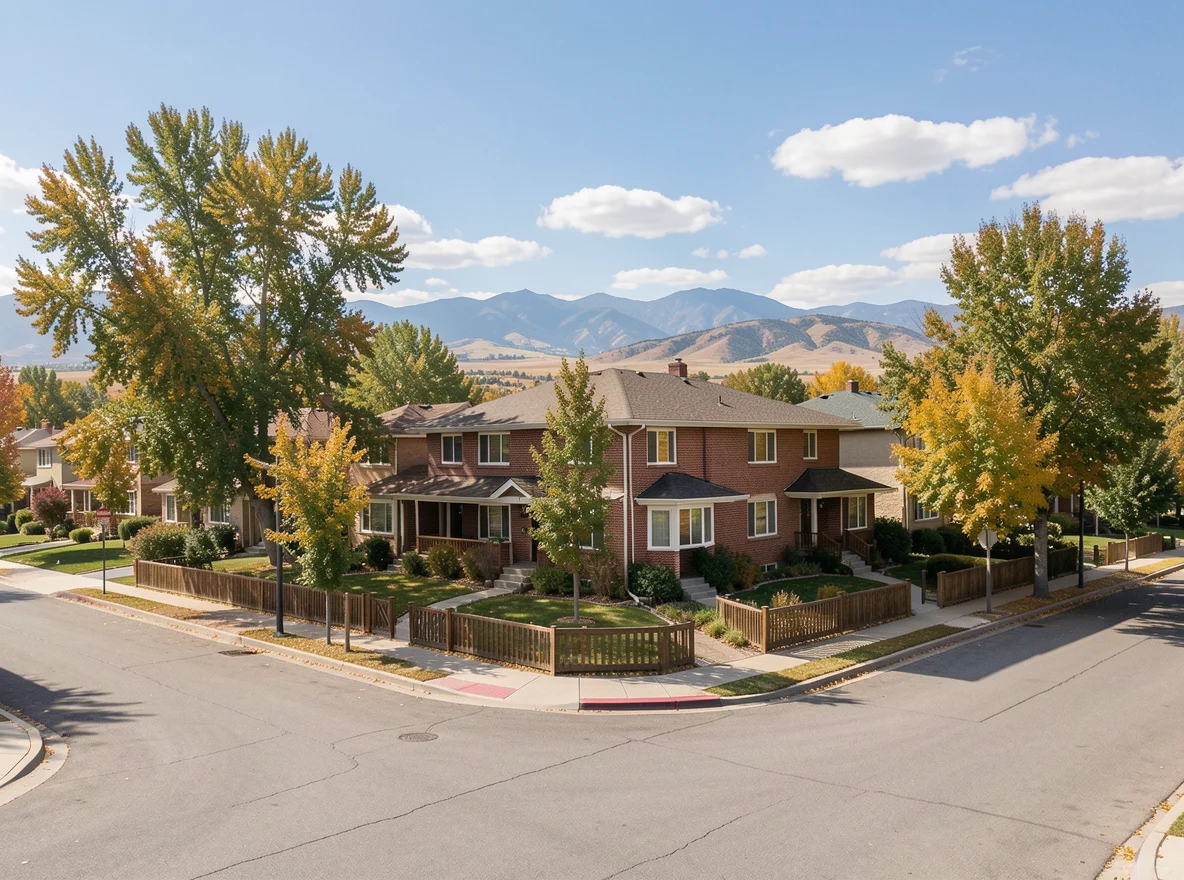
Begin with recent closed sales that resemble the property in location, size, layout, condition, and lot characteristics. Active listings show what sellers are asking, but a closed sale provides evidence of a completed transaction. Pending listings can also reveal current competition, although their final prices may not yet be public.
Look beyond the headline price. Concessions, condition differences, days on market, and the timing of a sale can change what a comparison tells you. A local agent can help identify meaningful differences instead of relying on a citywide average that blends many types of homes.
An asking price is not the same as a sale price. Use active listings to understand competition and recent closed sales to anchor a value discussion.
1. Access to Mill Creek Canyon
Proximity to Mill Creek Canyon can be a useful feature for buyers who value outdoor recreation. Yet a map pin alone rarely tells the whole story. Consider the actual route from the home, travel conditions, and how easily a buyer could reach the canyon from that particular property.
Access is only one part of the comparison. Homes closer to a recreational destination can differ substantially in size, condition, road exposure, and lot features. A price difference between two sales should not be attributed entirely to canyon proximity without examining those other factors.
For sellers, an accurate description of location and nearby recreation can help buyers understand the property. For buyers, visiting at different times and checking the route personally can reveal details that a listing photo or mileage estimate may miss. Canyon access rules and conditions can change, so verify current information before making plans.
2. Home Age and the Condition Behind It
Age provides context, but it is not a complete measure of quality. An older home may have appealing architectural details and a well-maintained interior, while another of a similar age may need substantial work. Likewise, a newer property still deserves a careful look at its maintenance history and construction condition.
When reviewing a home, ask about the roof, heating and cooling equipment, plumbing, electrical systems, windows, and any known repairs. Dates and receipts can be more helpful than broad descriptions such as “well maintained.” A professional inspection can help buyers investigate condition, while sellers can use available records to answer questions more confidently.
Basements, additions, and finished spaces deserve particular attention. Confirm how square footage is reported and whether improvements have appropriate documentation. A comparison can be misleading if two homes appear similar in size but offer different layouts, ceiling heights, or levels of finish.
3. Updates That Buyers Can See—and Those They Cannot
A refreshed kitchen or bathroom can change how a home presents, but cosmetic appeal is only one part of the picture. Buyers may also consider less visible improvements, such as updated systems or repairs that address ongoing maintenance. The age, quality, and documentation of each project matter.
For sellers, list major improvements with approximate completion dates and keep relevant permits, warranties, and invoices available. Before starting a costly renovation, compare its estimated expense with the likely effect on the property’s market position. An improvement may make a home easier to market without returning its full cost in the sale price.
Separate cosmetic updates from documented system improvements when comparing homes. Both can matter, but they do not necessarily contribute the same amount to value.
Buyers should look closely at workmanship and functionality rather than assuming every recent finish represents a comprehensive renovation. Ask what was changed, who completed the work, and what remains original. An inspection and review of available records can help turn attractive presentation into a clearer understanding of the property.
4. Usable Lot Space, Not Just Lot Size
A lot’s total area is a starting point, not a complete description of how it can be used. Slope, shape, access, drainage, landscaping, and the position of the home can all affect the experience of the outdoor space. A smaller, level yard may meet a buyer’s needs differently from a larger parcel with steep sections.
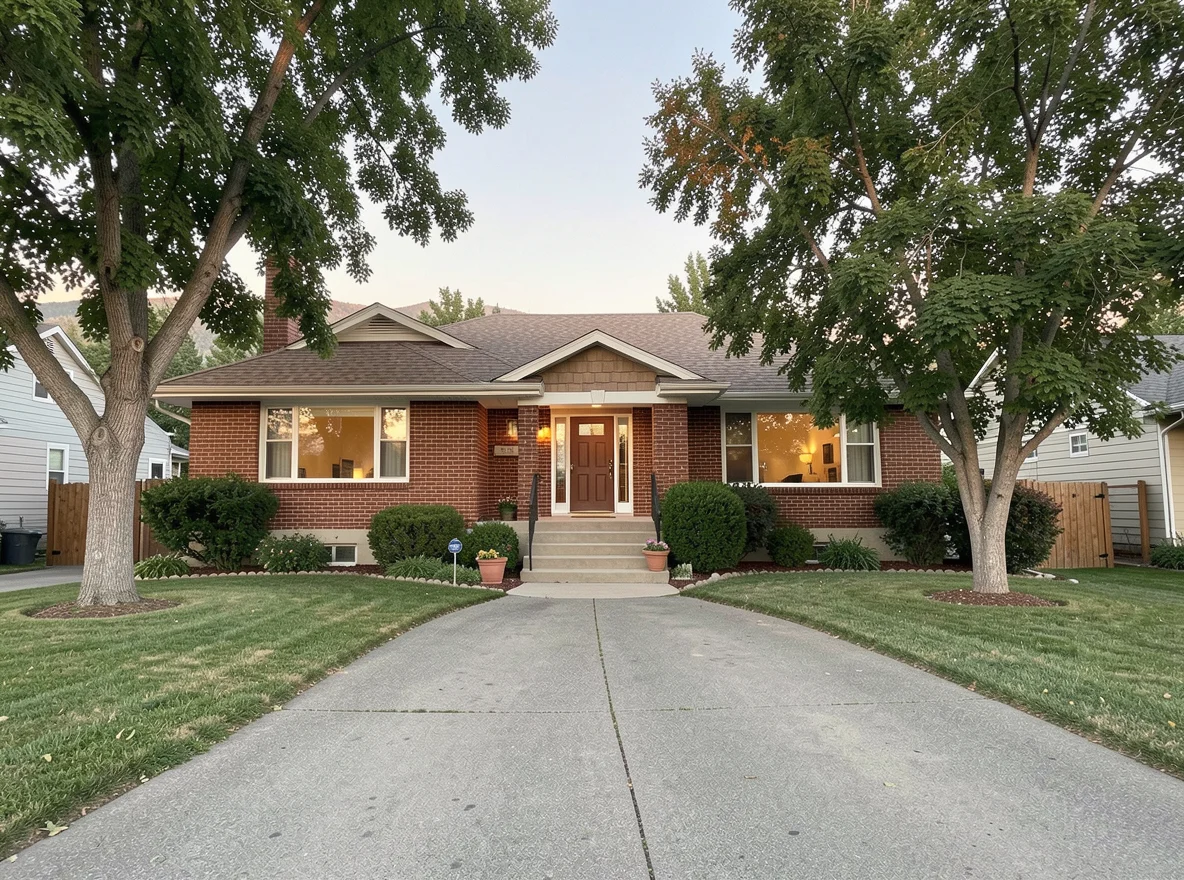
Walk the property and consider what is usable for your purposes. Is there room for outdoor seating, gardening, parking, or storage? Are there retaining walls, drainage features, or mature trees that may require ongoing care? These details can shape both a buyer’s interest and the cost of ownership.
If a buyer hopes to add a structure or make another substantial change, confirm applicable zoning, setbacks, easements, and permit requirements with the appropriate authorities. A listing description or an apparent open area is not a guarantee that a particular project will be allowed. Sellers can help by making surveys or other relevant documents available when they have them.
5. Access to Salt Lake Employment and Daily Stops
Millcreek’s location in the Salt Lake Valley gives buyers a reason to examine routes to employment centers and everyday destinations. The usefulness of that access depends on the individual property and the trips a buyer actually expects to make. Two addresses in the same city may offer different routes and travel experiences.
Test the commute at the time you would normally travel, and consider alternatives such as transit, cycling, or remote work where relevant. Also look at the practical distance to grocery options, dining, parks, and other places you expect to visit. Avoid treating a single drive-time estimate as a permanent fact; traffic and schedules can change.
For sellers, location details are most useful when they are specific and verifiable. Rather than promising a certain commute, describe the property’s location accurately and let buyers evaluate their own routes. For buyers, a short visit to the surrounding area can add context to the features shown online.
Turn the Five Signals Into a Pricing Plan
No single feature establishes a home’s value. A useful pricing discussion weighs the five signals together and compares the property with recent sales that buyers are likely to consider alternatives. Where comparable homes differ, ask how those differences may have influenced their sale prices rather than applying an automatic premium or discount.
Sellers can use that analysis to choose a list price, prioritize preparation, and understand competing listings. Buyers can use the same framework to evaluate an asking price and decide what questions to investigate before making an offer. In either case, revisit the evidence as new listings and sales become available; market conditions can shift.
For a more tailored starting point, ask UNiTY Group Real Estate for a home valuation. The team can review the property’s condition, location, and relevant local comparisons to help you plan your next move.
